


If you're shopping for a new truck in 2026, one of the biggest decisions you'll face is choosing between diesel, gas, and electric powertrains. Each option brings its own strengths, and the right choice depends on how you plan to use your vehicle. This truck fuel comparison breaks down what each powertrain does best, so you can make an informed decision.
Understanding the Diesel vs Gas vs Electric Truck Debate
Before diving into the details, it helps to understand the basic difference between these three powertrain types. Gas-powered trucks use traditional internal combustion engines and are the most common choice on the road today. Diesel engines burn a different fuel and are known for their torque output and durability under heavy-duty use. Electric trucks run entirely on battery power and are built around instant torque delivery and lower day-to-day operating costs.
Gas Trucks: The Familiar Choice
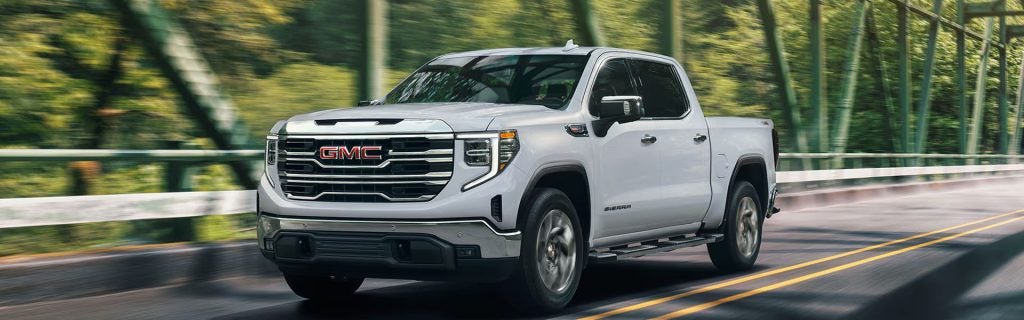
For most drivers, a gas-powered truck offers the most straightforward ownership experience. Fueling up is easy, maintenance intervals are easy to understand, and gas trucks handle a wide range of tasks well - from driving around town to weekend towing. Modern gas engines, like the 2.5L turbocharged unit available in GMC lineup models, deliver strong horsepower and torque figures that meet the needs of most truck buyers without requiring any changes to your routine.
Diesel Trucks: Built for Heavy-Duty Work
Diesel trucks tend to shine when the workload is demanding and consistent. If you regularly haul heavy trailers, tow at or near maximum capacity, or put serious miles on your vehicle for work purposes, diesel may offer advantages in torque output and long-distance efficiency. Diesel engines also tend to hold up well under sustained heavy use. The tradeoff is that diesel trucks can cost more upfront and may require more specialized maintenance. When deciding, you should factor in your actual towing frequency - occasional towers may find gas more practical.
Electric Trucks: A Growing Option Worth Considering
Electric trucks have matured quickly and now offer real capability alongside low operating costs. Instant torque delivery means strong acceleration and towing from a stop, which is a notable advantage in work or off-road situations. Charging at home overnight can make fueling more convenient than regular gas station stops. The main consideration is range - if you regularly travel long distances or need maximum trailering range, it is worth planning your charging access carefully. For drivers whose routes stay closer to home, electric trucks can reduce fuel spending significantly over time.
How to Choose: Match the Powertrain to Your Lifestyle
In a diesel vs gas vs electric truck comparison, the best answer depends on you. Ask yourself how often you tow, how far you drive daily, whether you have access to home charging, and what your budget looks like over the long term. Gas trucks remain the most versatile all-around choice. Diesel is the go-to for consistent heavy haulers. Electric is gaining ground as infrastructure improves and range increases. There is no single right answer - just the one that fits your driving habits best.
Get Your Questions Answered at Ed Martin Buick GMC
The diesel vs gas vs electric truck question does not have a one-size-fits-all answer. Each powertrain type has a clear purpose, and understanding your daily needs is the key to choosing well. If you commute, haul, tow, or do it all, there is a truck out there built for the way you live and work. You can explore the current GMC truck lineup to find the right match for your life at Ed Martin Buick GMC of Anderson or visit us online to browse inventory and talk with a knowledgeable team member today.